Today we’re going to build, or at least start with the process: Design.
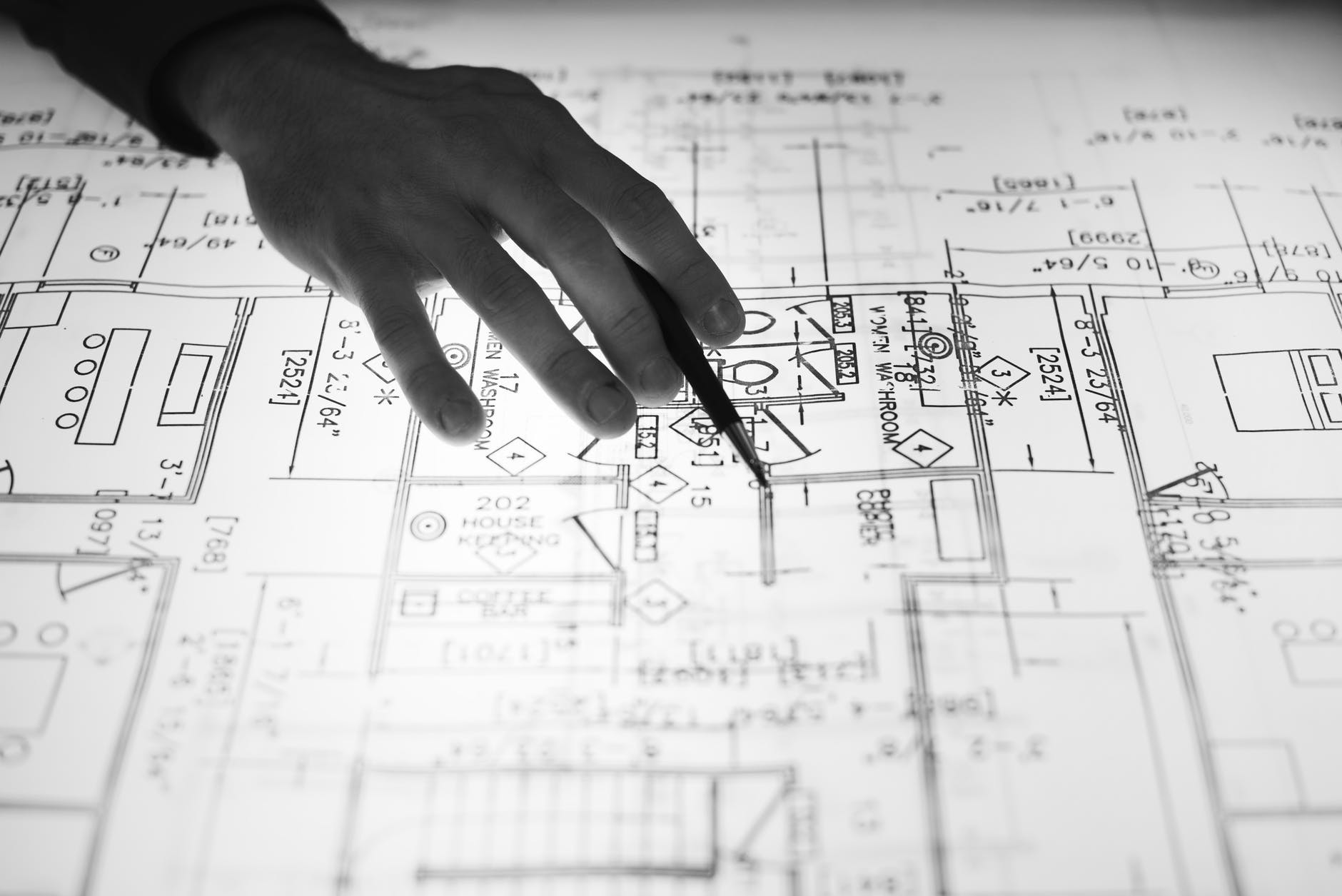
As usual we’re talking about software and systems, so we need to contextualize design into this concepts, what are Software Design Patterns? Well GeeksForGeeks says that «Design patterns are used to represent some of the best practices adapted by experienced object-oriented software developers. A design pattern systematically names, motivates, and explains a general design that addresses a recurring design problem in object-oriented systems».

Photo by Canva Studio on Pexels.com
There are more than one a few types of Design Patterns, we’ll see some in the next paragraphs:
Creational
These design patterns are all about class instantiation or object creation. These patterns can be further categorized into Class-creational patterns and object-creational patterns. While class-creation patterns use inheritance effectively in the instantiation process, object-creation patterns use delegation effectively to get the job done.
Creational design patterns are the Factory Method, Abstract Factory, Builder, Singleton, Object Pool, and Prototype.

Structural
These design patterns are about organizing different classes and objects to form larger structures and provide new functionality.
Structural design patterns are Adapter, Bridge, Composite, Decorator, Facade, Flyweight, Private Class Data, and Proxy.
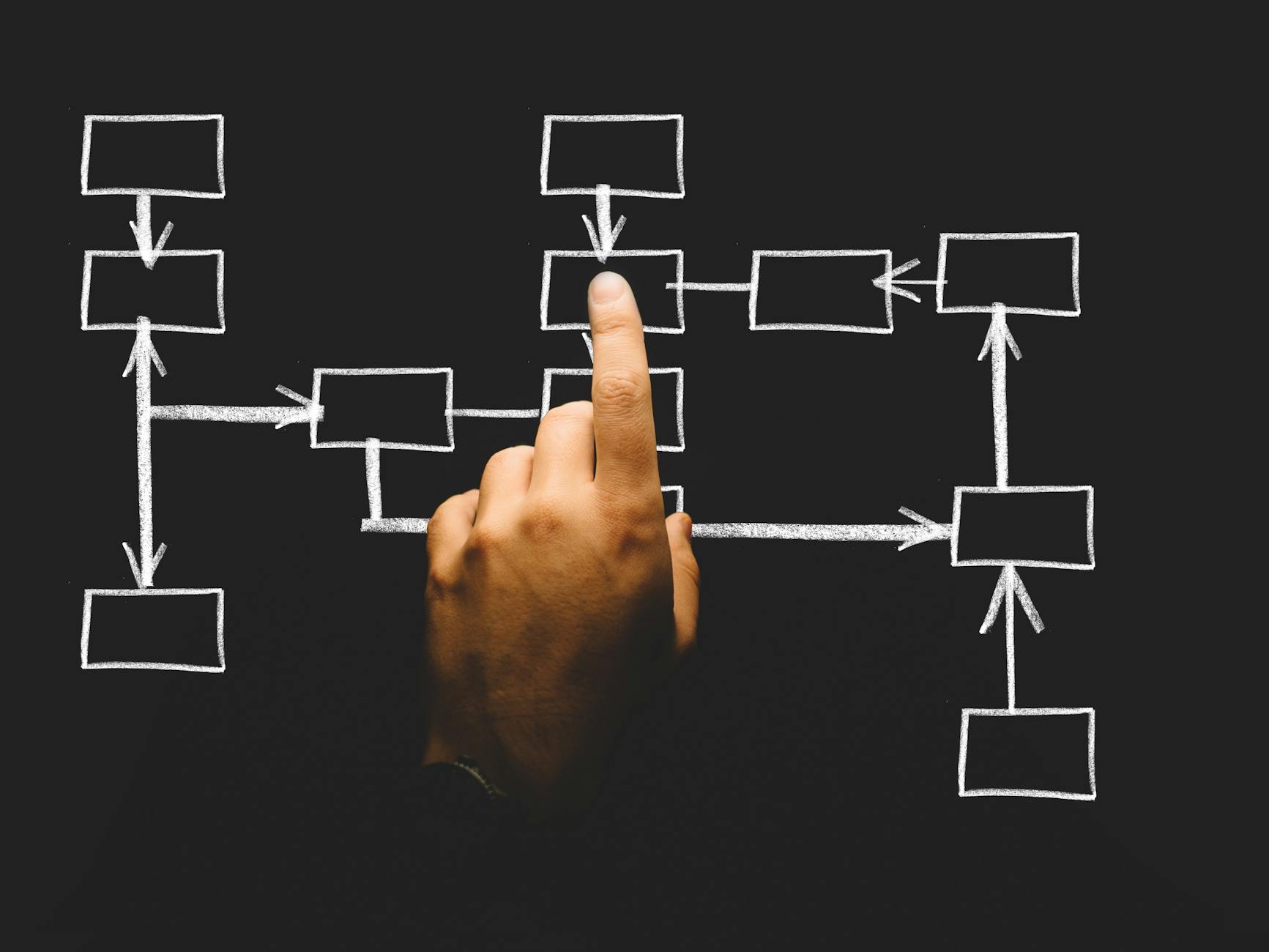
Photo by Pixabay on Pexels.com
Behavioral
Behavioral patterns are about identifying common communication patterns between objects and realize these patterns.
Behavioral patterns are Chain of responsibility, Command, Interpreter, Iterator, Mediator, Memento, Null Object, Observer, State, Strategy, Template method, Visitor.
In order to create one Pattern we can see the next tutorial:
Let’s continue building, learning and creating knowledge in this blog, see you next time!
-RC
 Profesional learning while enjoying