UML, these initials stand for Unified Modeling Language, but what is it? According to Noel Ceta UML «is a modern approach to modeling and documenting software».
It is based on diagrammatic representations of software components. By using visual representations, we are able to better understand possible flaws or errors in software or business processes.

This model lets us understand in a better way how a project will be divided and how each part will be connected with the others.
There are different ways of representing it, they are organized into two distinct groups: structural diagrams and behavioral or interaction diagrams.
Structural UML diagrams
- Class diagram
- Package diagram
- Object diagram
- Component diagram
- Composite structure diagram
- Deployment diagram
Behavioral UML diagrams
- Activity diagram
- Sequence diagram
- Use case diagram
- State diagram
- Communication diagram
- Interaction overview diagram
- Timing diagram
Here we can see a video of an example, related with the most common UML model: Class Diagram.
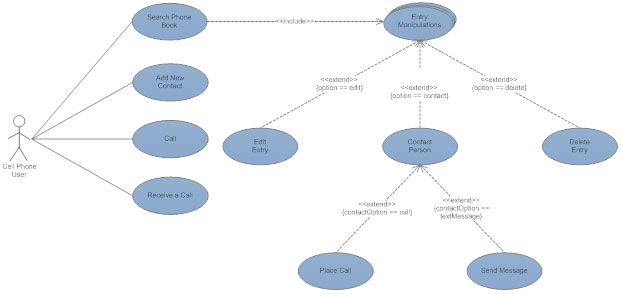
Other kind of diagram that is widely used is the Use Case Diagram, here’s an example:
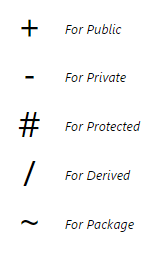
According to SmartDraw «there are many different types of UML diagrams and each has a slightly different symbol set»:
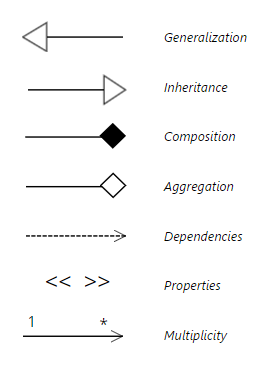
Relationships between elements are important too, they’re represented as follows:
This topic is really extensive and we will discuss a little bit more about it in the next entry. Thanks for keeping up with us.
-RC
 Profesional learning while enjoying